 W&H Impex


-
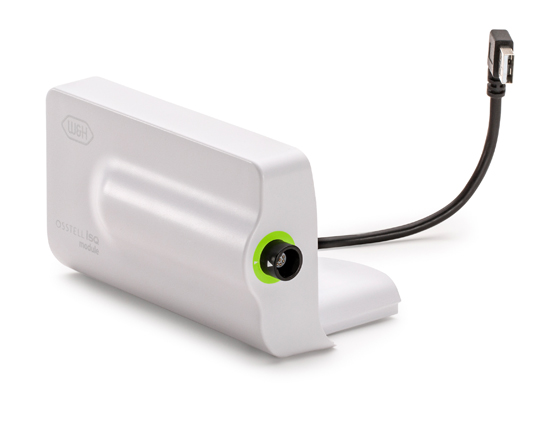

W&H Osstell ISQ module
consists of
> W&H Osstell ISQ module
> Measuring probe with cable
> TestPegSI-SQ
REF 30210000W&H Osstell ISQ module
Download Area
FAQs
-
Is the ISQ scientifically proven?
The Osstell ISQ technology is proven by over 1400 scientific studies. These studies have shown, that torque and ISQ correlate. more
-
What’s the difference between torque and ISQ?
Torque is a one time, static measurement at the time of placement of the implant and cannot be repeated later on in a non-invasive way. Osstell ISQ measures the lateral stability of the implant and the measurements can be repeated in a non-invasive, dynamic way to monitor the development of osseointegration. more
-
Is every new Implantmed compatible with the W&H Osstell ISQ module?
Yes. All control units SI-1023, SI-1015 and SI-1010 can be upgraded with the W&H Osstell ISQ module more
-
How does the measurement of the ISQ work?
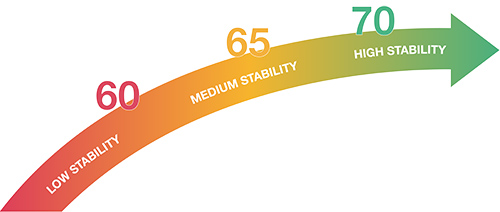
> To measure the ISQ of an implant, you first screw a so called SmartPeg into the placed implant. The SmartPeg, with its magnet on top, works like a small tuning fork. The magnet on the SmartPeg is ‘hit’ with magnetic pulses, from the probe, which makes the SmartPeg vibrate. Due to the stiffness in the interface between the implant surface and the bone the SmartPeg will vibrate accordingly. The more dense the bone is the higher stability and the higher ISQ value.
 more
more
-
Where can I buy the SmartPegs?
Please contact your local W&H partner
The sale of SmartPegs will be defined per country
The surgeon will receive 5 free SmartPegs. A voucher will be provided with the delivery of the product. more -
What does ISQ stand for?
The abbreviation ISQ stands for Implant Stability Quotient. It is a value between 1 and 100 and gives the surgeon an insight of the implant stability after placing the implant. With the ISQ value the surgeon can monitor the osseointegration. more
Instructions for use
Find all languages of the Update Hygiene and Maintenance (EN ISO 17664:2017) in the Download Centre.
-
Is the ISQ scientifically proven?


